Understanding Crawler
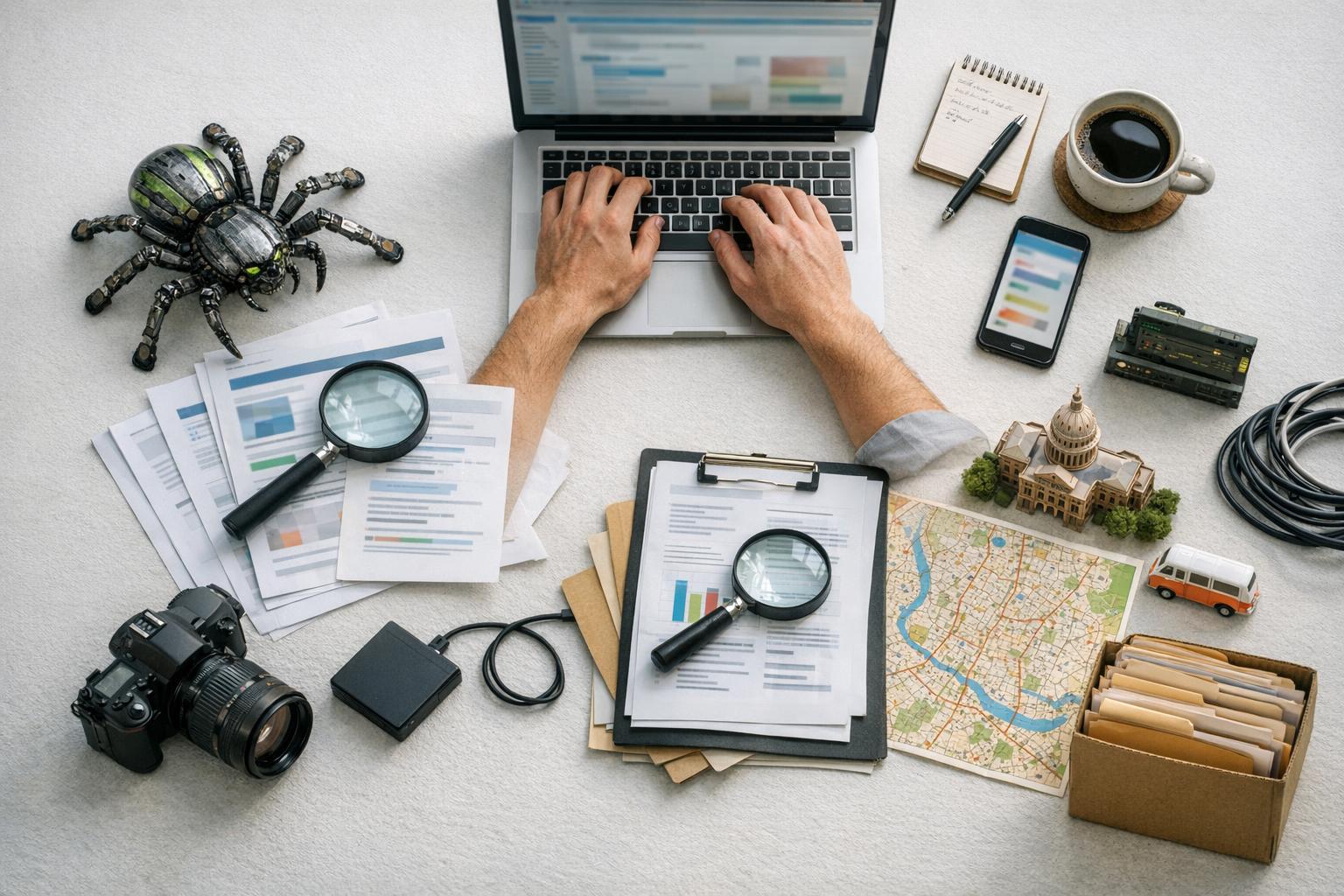
A crawler is a program. It's also called a spider or bot. Search engines like Google use crawlers.
They explore the internet. They start with known web pages. Then they follow links to find new ones.
Crawlers read text and images. They look at the code too. This helps them understand each page.
Search engines build a big list. This list is called a database. Users search this list.
Crawlers work all the time. They go back to pages to check for changes. They look for new links too.
If a page is gone, they remove it. They take it out of the search list. This keeps results fresh.
Without crawlers, search engines wouldn't know. They wouldn't know about new sites. They wouldn't know about changes.
Users would have trouble. They wouldn't find what they need. That's why crawlers matter.
How Crawler Works?
Crawlers follow steps to scan the web. First, they start with a list of URLs. These are web addresses.
They visit each URL. They download the page. Then they take out all the links.
These links go in a queue. The crawler visits them next. It keeps going like this.
There are too many pages to visit. So crawlers pick which ones to do first. They look at how often a page changes.
They check how important a page is. They see if other sites link to it. They also look at sitemaps.
A sitemap is a list of pages. Website owners give this to crawlers. It helps crawlers find pages.
Crawlers follow rules too. Website owners set these rules. They use a file called robots.txt.
This file tells crawlers what to skip. Some pages are blocked. This saves space or keeps things private.
After collecting data, crawlers send it back. They send it to the search engine. The engine then puts the page in its list.
This list is called an index. The engine looks at the page. It checks words, structure. And quality.
This helps the engine find results fast. When you search, it uses this list.
- Discovery: Crawlers find new pages. They follow links or use sitemaps.
- Download: The crawler gets the page. It takes text, images, and code.
- Extraction: It finds links on the page. It adds them to its queue.
- Indexing: The page goes in the search engine's list.
Why Crawler Matters?

Crawlers are very important. They make the internet searchable. Without them, search engines wouldn't know about new content.
Users would have trouble finding things. They might not find what they need. Crawlers help fix this.
For website owners, crawlers matter too. They decide if a site shows up in searches. They also decide how high it ranks.
If a crawler can't reach a site, it won't show up. The site might lose visitors. It could lose customers too.
Crawlers find problems on sites. They spot broken links. They see slow pages or duplicate content.
These problems hurt rankings. They make sites show up lower in searches. Owners should fix these issues.
If crawlers can scan a site easily, it helps. The site can rank higher. More visitors will come.
When Crawler Matters Most?
Crawlers matter in many cases. When a new site launches, crawlers must find it. Then it can show up in searches.
When a site changes a lot, crawlers check it again. They update the search list. If they can't, rankings may drop.
Some sites have news or events. These need to be found fast. If crawlers are slow, users might miss them.
Big sites need crawlers too. Stores with many products rely on them. Blogs with lots of posts do too.
If crawlers miss new pages, they won't show up. The site gets less traffic. It might sell less too.
- New website launch: Crawlers must find the site. Then it can show up in searches.
- Website updates: Big changes need re-crawling. This keeps rankings high.
- Time-sensitive content: News and events need quick crawling. Users find them faster.
- Large websites: Stores and blogs need crawlers. They index new pages often.