Understanding Crawlability
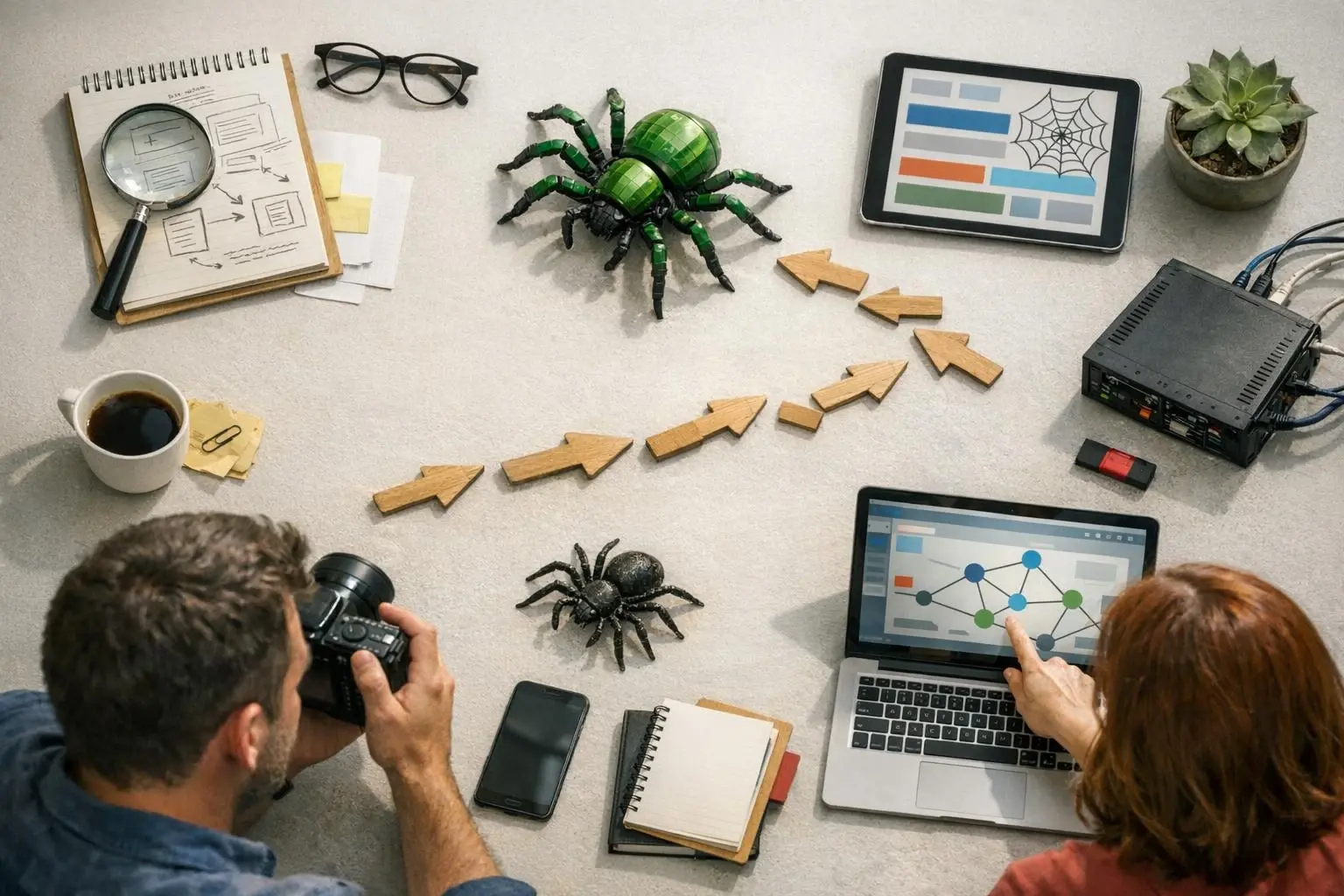
Crawlability is key in SEO (search engine optimization). It means how easy it is for bots to visit a site.
These bots are called crawlers or spiders. They move through pages. They follow links and read content.
They send info back to search engines. This updates their lists. Good crawlability helps pages get found.
Then they get listed in search results. Crawlability depends on tech things. This includes site structure and server speed.
It also needs files like robots.txt. Crawlability isn't about content or keywords. It's about bots reaching and reading content.
Without it, even great content stays hidden. Search engines and users won't see it.
How Crawlability Works?
Crawlers start with known URLs. These come from past crawls or sitemaps. They visit each URL.
They download the page. Then they follow links to other pages. This is called crawling.
Crawlers check for updates. They look for new or removed pages. How well they do this depends on a few things:
- Server response time: Fast servers help crawlers load pages quickly.
- Link structure: Clear links help crawlers find all pages.
- Robots.txt: This file tells crawlers which pages to skip.
- Sitemaps: XML sitemaps list key pages. They help crawlers pick what to check first.
- Redirects: Good redirects guide crawlers to the right pages.
If these aren't set right, crawlers might miss pages. They could waste time on wrong content.
They might not update the search list. Crawlability links to crawl budget. That's how many pages a bot checks in a set time.
Why Crawlability Matters?

Crawlability affects search results. If bots can't crawl a page, they won't list it.
Then it won't show in searches. People won't find it. This is true no matter how good the content is.
For businesses, this means less traffic. It also means fewer leads and sales.
Good crawlability helps search engines learn a site's structure. This can boost rankings for key pages.
It also helps new content get listed fast. Without crawlability, even great content stays unseen.
When Crawlability Matters Most?
Crawlability matters most in these cases:
- Launching a new website: Make sure bots can visit all pages right away.
- Adding new content: Blogs or products must be crawlable to show in searches.
- Fixing technical issues: Broken links or errors can block bots.
- Large websites: Big sites need good crawlability to save crawl budget.
- After a redesign: Redirects and URL changes must keep bots on track.
SEO agencies check crawlability first. It's the base for all other SEO work.
This includes keywords, content. And links. In places like Austin, TX, crawlability is very important.
Businesses there rely on search traffic. Good crawlability can make or break their visibility.