Understanding Geo-Targeting

Geo-Targeting is finding where a user is located. Then it delivers custom content, ads. Or services for that area. When someone searches online, visits a website. Or uses an app, their location can be detected. There are several ways to find location. The most common way is IP address tracking. This finds the general region or city of an internet connection. Mobile devices also send location data. They use GPS, cell tower signals. Or Wi-Fi networks. Some platforms ask users to enter their location manually. Others let location access through app permissions. All these data sources help marketers understand where users are. This helps them show relevant local information.
Related glossary terms: Local Pack, Search Intent, Hreflang Tag.
Geo-Targeting helps local businesses in search results. It shows them to people searching in their area. For example, someone searches for "pizza near me" in Austin, Texas. Search engines use geo-targeting to show Austin pizza places. They don't show restaurants from other cities. This same idea works for paid ads. A business can show ads only to people nearby. Geo-Targeting makes online marketing work better. It connects businesses with customers who are actually close by.
How Geo-Targeting Works?
Geo-Targeting works through a multi-step process. It starts with location detection. When a user connects to the internet, their device sends data. This data includes an IP address. Internet service providers keep records of IP addresses. They link them to specific cities, regions. Or countries. Platforms like Google and Facebook use these databases. They identify where users are located. For mobile devices, the process is often more exact. Smartphones and tablets can share GPS coordinates. These pinpoint location within a few meters or feet. Users can grant or deny app location permission. This gives platforms clear consent to use location data.
Once a user's location is found, marketers apply targeting rules. A business owner might show ads only within five miles of their store. A website might customize its homepage for local events. Search engines rank local results higher for users in that area. A dentist in Austin ranks higher for Austin dental searches. They don't rank as high for other states. Advertisers can layer geo-targeting with other filters. They can add age, interests. Or search keywords. This reaches a very specific audience. This combination makes campaigns more cost-effective. Ad spending focuses on people most likely to buy.
Why Geo-Targeting Matters?
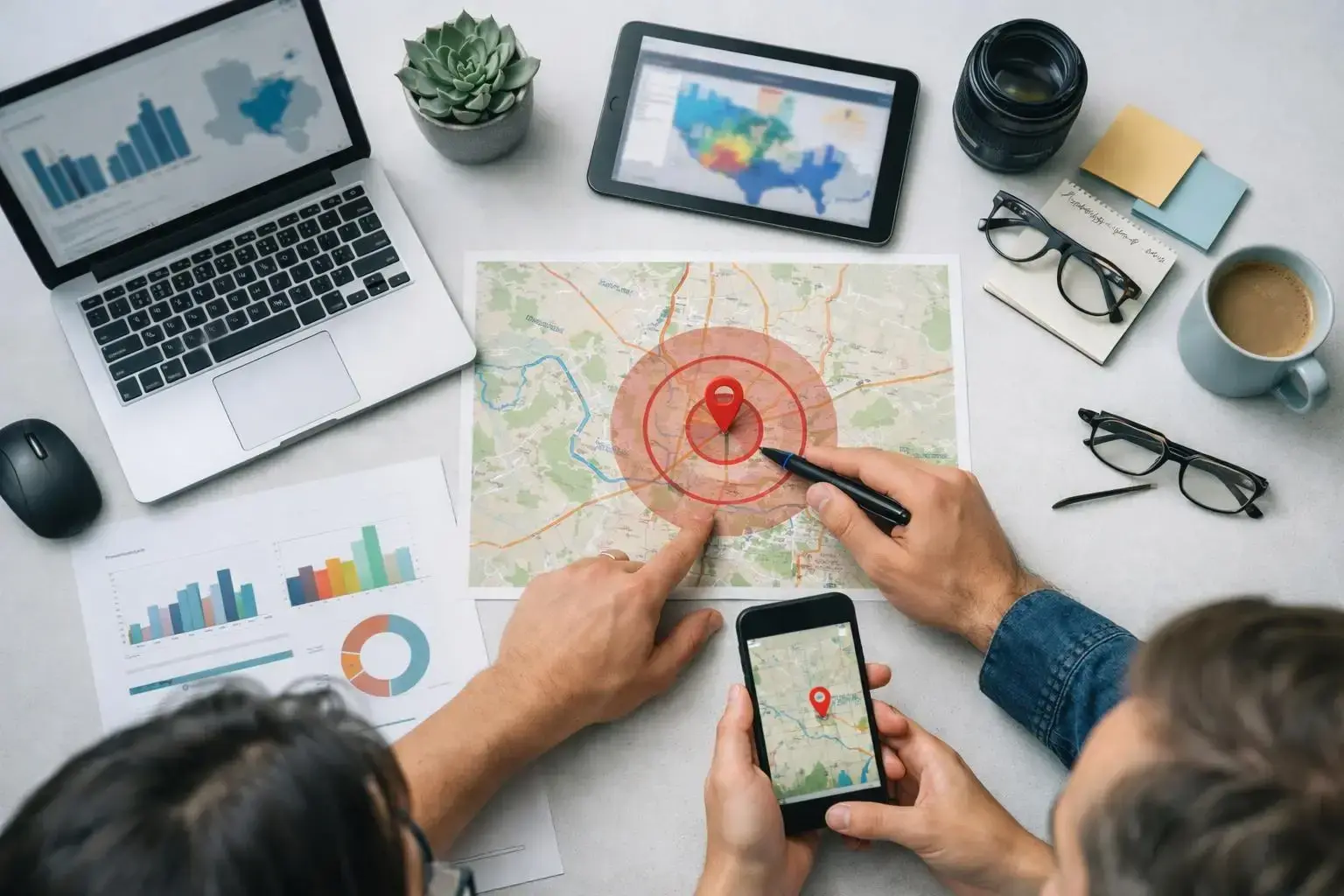
Geo-Targeting is essential for local businesses. It stops wasted marketing spend on far-away audiences. People too far away won't visit or purchase. A small retail store in Austin shouldn't pay for ads shown to people in New York. By using geo-Targeting, the store focuses its budget locally. Local customers can actually walk in or drive there. For search engine optimization, geo-Targeting helps local businesses compete fairly. When someone searches for a local service, search engines prioritize nearby businesses. Smaller companies get a chance to rank well. They don't compete against national brands in every search.
Geo-Targeting improves the search experience for users. It delivers relevant, nearby information. When travelers search for hotels or restaurants in a new city, geo-targeted results help them. They find options close to where they are. This relevance increases user satisfaction. It makes search engines more useful. For advertisers, geo-Targeting provides measurable data. It shows where customers come from. It shows which areas generate the most sales. This information helps businesses decide where to open new locations. It helps them allocate marketing budgets across regions. It shows which areas need more advertising support.
When Geo-Targeting Matters Most?
Geo-Targeting is critically important for businesses with physical locations. This includes restaurants, retail stores, medical offices, salons. And service providers. These businesses depend on local foot traffic. They can't serve customers across the country. For them, geo-Targeting in search results directly impacts revenue. E-commerce businesses also benefit from geo-Targeting. They ship to specific regions. They show relevant products and shipping options to different areas. Seasonal businesses use geo-Targeting too. Ski resorts and summer camps reach nearby people during peak seasons.
Geo-Targeting matters for managing brand reputation. It helps with search visibility across multiple locations. A restaurant chain with 20 locations needs each one to appear locally. Without proper geo-Targeting setup, the main website might rank for all locations. This buries individual location pages. Compliance and privacy make geo-Targeting important too. Regulations like GDPR (General Data Protection Regulation) exist in Europe. Various state privacy laws exist in the United States. These restrict how location data can be collected and used. Businesses must have proper consent when collecting location information. They must be transparent with users.